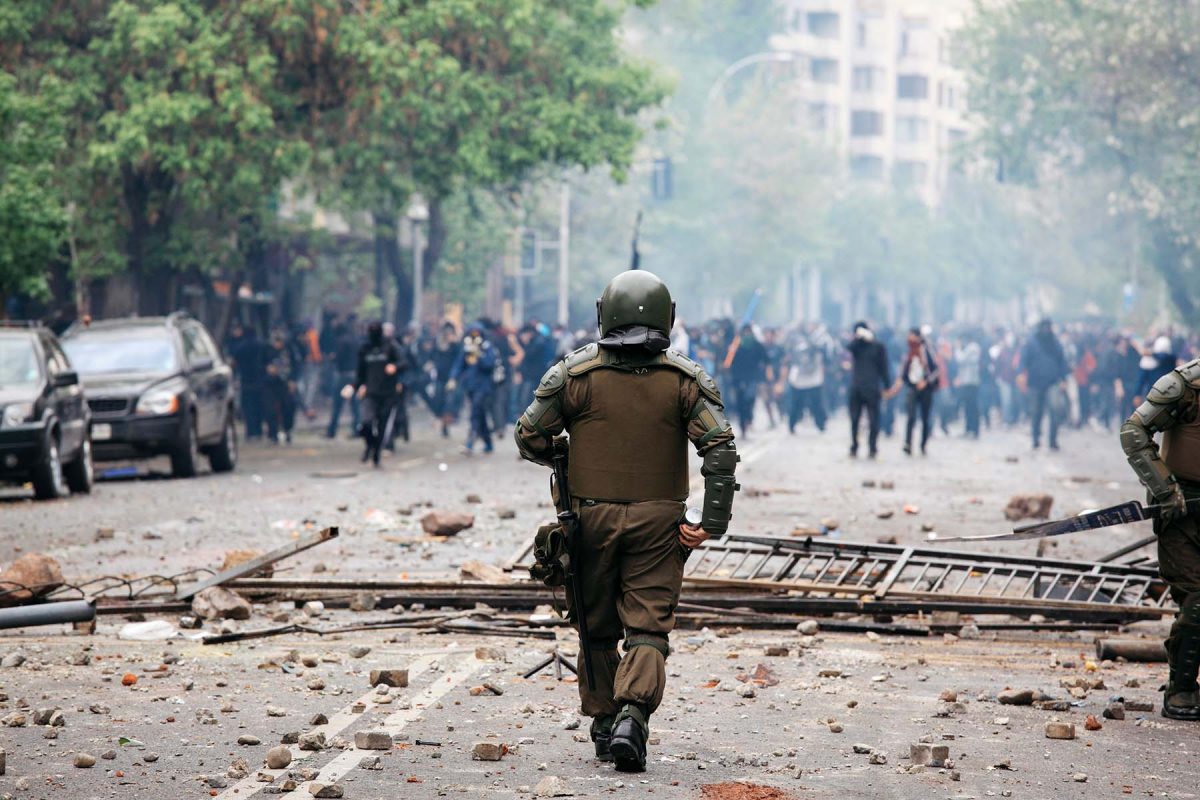
A large, military-like immigration law enforcement operation was underway. Aggressive enforcement actions, widespread protests, and violence were occurring.
A citizen driving to work was pepper-sprayed by an immigration agent, who reportedly smashed the driver’s window and dragged him out of his car.
Another citizen, a school teacher, was shot five times by a border patrol officer.
A poet and mother, also a citizen, was shot in the head and killed by an immigration enforcement officer.
In one operation, thousands of armed and masked federal government agents surged into a city, “to conduct militarized raids and carry out dangerous, illegal, and unconstitutional stops and arrests,” according to local government officials, who called for a halt to the operation.
The chief law enforcement officer in the state said, “People are being racially profiled, harassed, terrorized, and assaulted. Schools have gone into lockdown. Businesses have been forced to close.”
Local government officials said the federal forces “brazenly and repeatedly deployed excessive force,” accusing them of “spreading terror” throughout the city and beyond.
Outdoor Programs and Political Violence
An outdoor program had long planned to participate in a community event in that same city; the event was a winter festival where the outdoor education and environmental conservation group would share information on winter recreation, stargazing and ice safety.
A director of the outdoor program reached out, seeking input on developing an event safety plan in the context of an ongoing, aggressive immigration law enforcement operation.
Viristar has some experience with safety and security procedures for outdoor and adventure programs operating in contexts where political violence is a serious risk.
Viristar worked with the leadership of an outdoor recreation program providing hiking and camping activities in Syria, where sectarian violence is a concern, leading to incidents such as a hiking group being suddenly surrounded by people with guns, demanding to see the identification cards of the hikers, with the gunmen stating that for anyone from a certain religious faith, “we’re going to kill them.”
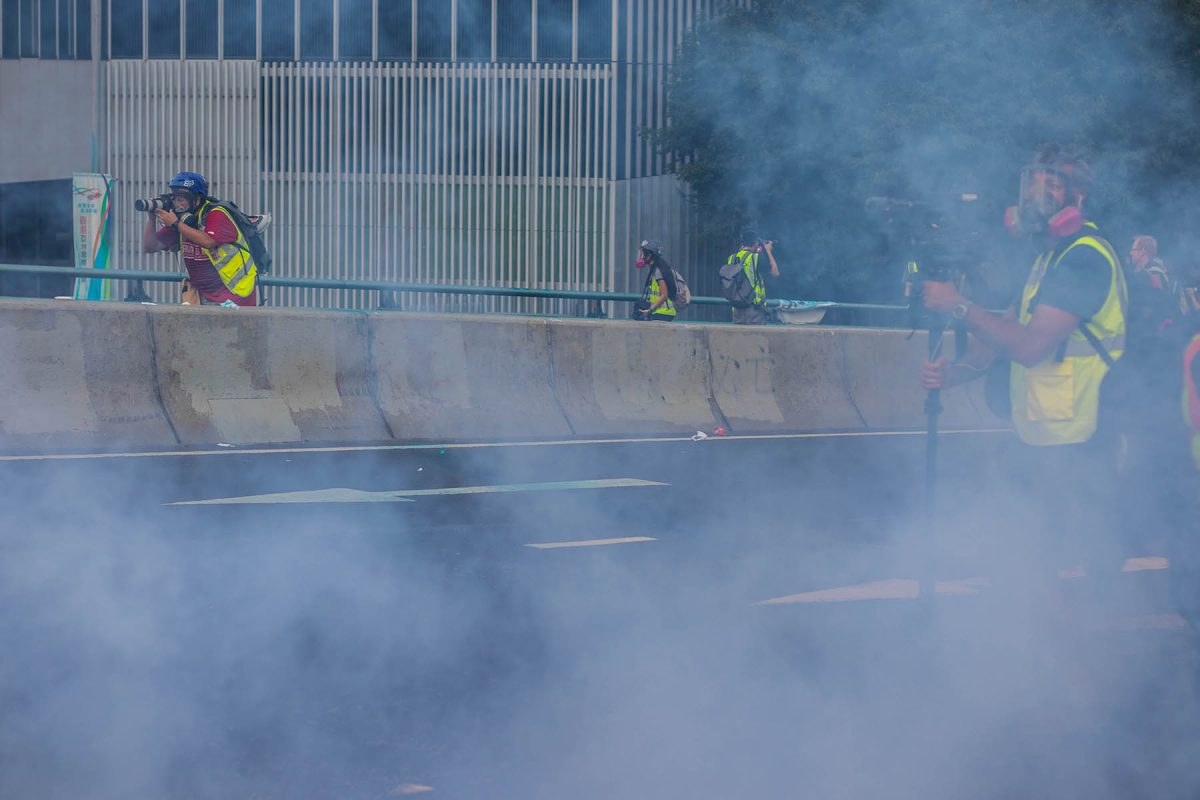
Viristar also worked with leadership of an outdoor education program in Hong Kong, during the pro-democracy protests of 2019-2020, where the government responded to protests with batons, tear gas, pepper spray, rubber bullets and water cannons.
And Viristar supported an outdoor adventure provider in Lebanon providing trekking, ski touring, wilderness survival and mountain climbing trips across the mountainous country, when an onslaught of airstrikes and a ground invasion by Israel led to the deaths of civilians.
Stay Away
In all of these instances, Viristar’s advice to outdoor and adventure programs facing unacceptably high levels of political violence was the same: stay away.
(This is the advice that Viristar was given—and followed—in planning an outdoor safety training in Nairobi, Kenya, where Viristar decided to avoid offering trainings during national elections, where rioting and other electoral violence is a known risk.)
The organization in Syria no longer takes hiking trips to certain areas—closing more than half of their program areas—while tensions persist.
The outdoor education program in Hong Kong mapped out where protests were occurring, and altered field trip itineraries so school groups would not transit through those locations.
And the leadership of the outdoor program in Lebanon paused the organization’s mountain activities and temporarily left the country for safety in France.
Risk Assessment
Viristar recommended the same thing to the outdoor program planning activities where aggressive immigration law enforcement operations were underway: when risks are unacceptably high due to political violence in a region, stay away.
Viristar also said that if a decision is made to continue on with providing planned outdoor activities, the basic risk management theory is to conduct a risk assessment, identify specific risks, then establish control measures for each risk. The risk assessment should be put in writing, and evaluated by a team to identify gaps or weak spots.
With the Syrian outdoor adventure organization, control measures—beyond shutting down operations in high-risk areas—were implemented. These measures included consulting with local contacts before a trip, and because foreign tourists are generally welcomed in Syria, advising trip participants to pretend they are tourists from another country such as Lebanon or Jordan, and speaking in English rather than their native language, to obscure their national and sectarian identity.
Control Measures
Viristar suggested the outdoor education and environmental conservation group planning activities where aggressive immigration law enforcement operations were underway might consider the following safety and security procedures, among other potential steps.
General
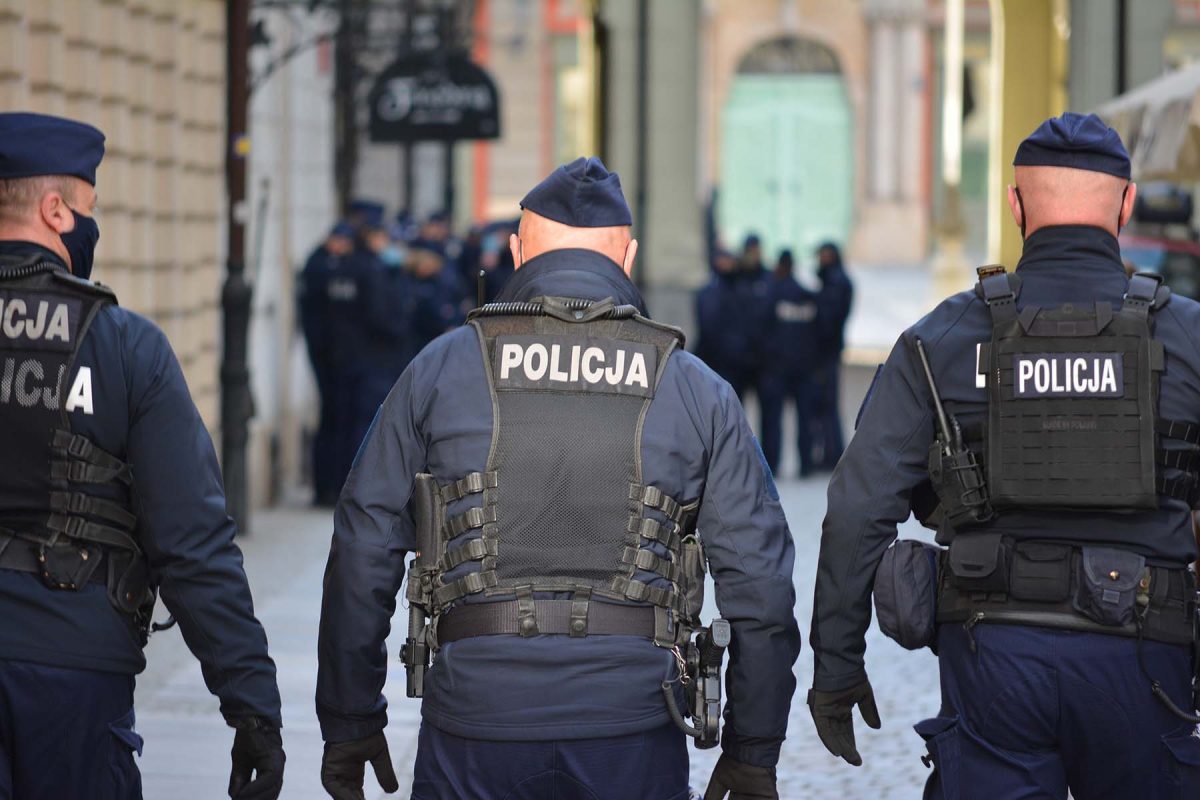
- Contact local police to get site-specific security advice, in the activity planning phase, immediately before the activity, and if the threat environment changes
- Contact the facility management or land manager where the activity will be held for site-specific security guidance and to understand what their security measures are
- Position vehicles or otherwise make transportation arrangements for a quick and safe evacuation if that becomes necessary
- Provide a safety briefing to persons involved, advising them as to safety measures they should take. Write this safety briefing down in advance, which is good discipline to help ensure the briefing is accurate, clear and comprehensive.
- Avoid actions that could (reasonably or unreasonably) provoke violent response. These actions may include but are not limited to shouting, throwing objects, displaying weapons, driving near to armed persons or authorities, physical interaction like pushing/shoving, and others.
- If a disturbance or commotion appears, immediately take the group and move away, using a pre-established evacuation plan
- Bring cameras to record interactions, a phone to contact local emergency services, first aid kits, and people who know how to use them (this will not prevent violence from occurring)
Event Safety & Security
- If activities are part of a larger event like a festival, contact the event organizer’s safety and security team for their advice and to be able to evaluate their event security plan
- Build relationships with event organizer and venue security personnel, so they know what the activity provider’s plans are, and so they know how to reach the activity provider if needed
- If activities will be part of an indoor event, pre-establish an escape plan
- Engage in dynamic risk management—immediately before and during events, pay continuous attention to news sources, scan the environment, and be able to reach venue and event organizer security personnel quickly and easily
Immigration-related measures
- Bring IDs proving citizenship
- Consider higher-risk populations on the staff team (e.g. undocumented persons) and identify risk reduction measures for them
Viristar also suggested that the organization advise their team and activity participants clearly and candidly as to risks and control measures, but not let dread or fear stop them from doing their good work, and to keep in mind that their program activities are positive and important and are making the world a better place.
Addressing Underlying Contributing Factors
Viristar also noted that in addition to eliminating or reducing risks arising out of the activities and the activity setting in the immediate term, addressing the deeper factors that make political violence more likely can reduce risks for outdoor and adventure programs in the longer term.
These longer-term efforts may include advocacy and other political engagement, such as voting, encouraging others to vote, and contributing to political parties, political campaigns, and advocacy organizations supporting civil rights, the rule of law, and democracy.
These efforts may not make a difference in the short term. But as with other politically-influenced issues such as active shooters in outdoor settings, addressing underlying contributing factors is an important part of improving safety outcomes in the long term.
Limitations
The ideas presented above are general, and shouldn’t be considered complete or expert guidance specific to any person’s or organization’s particular context.
The approaches described here are briefly outlined and not intended to be exhaustive or comprehensive.
The ideas above may not be appropriate in all circumstances, and are not guaranteed to reduce or eliminate harm.
Security professionals specializing in event security, managing risks arising from political violence, and other specialist areas, and who are fully apprised of an organization’s specific circumstances, may be able to provide expert guidance specific to an organization’s particular context.