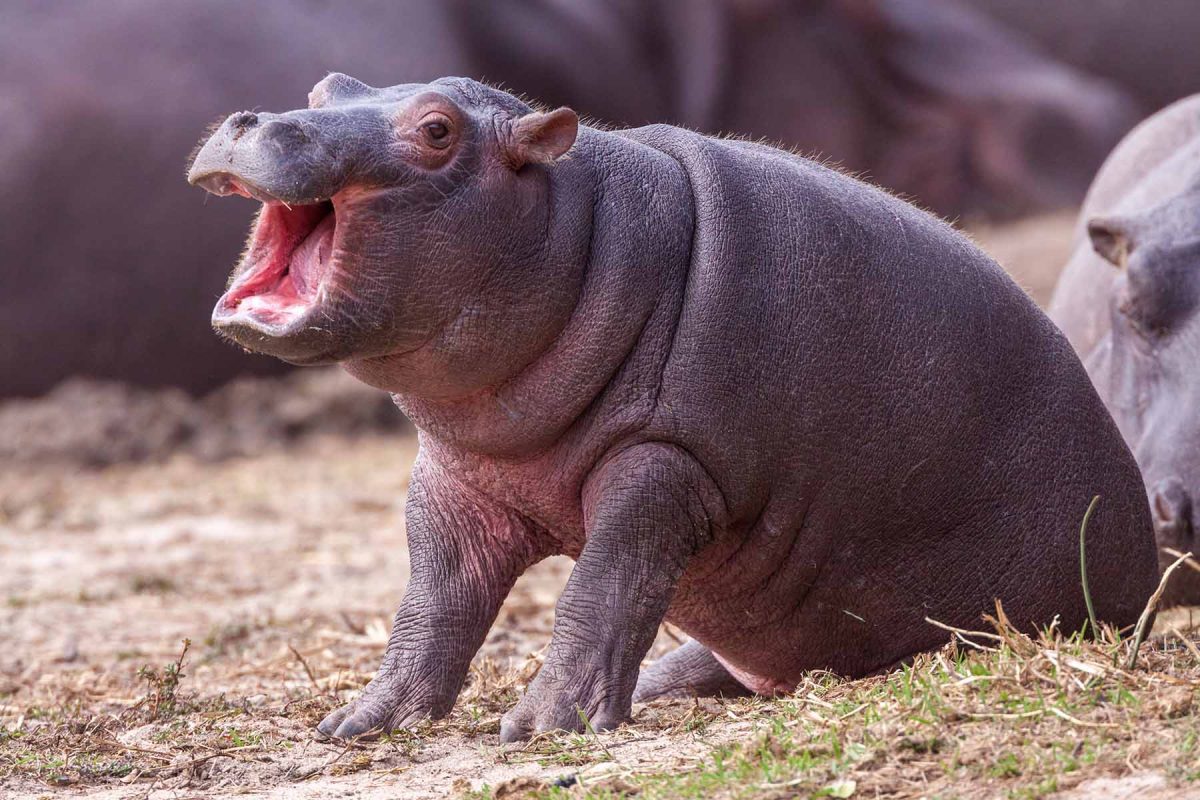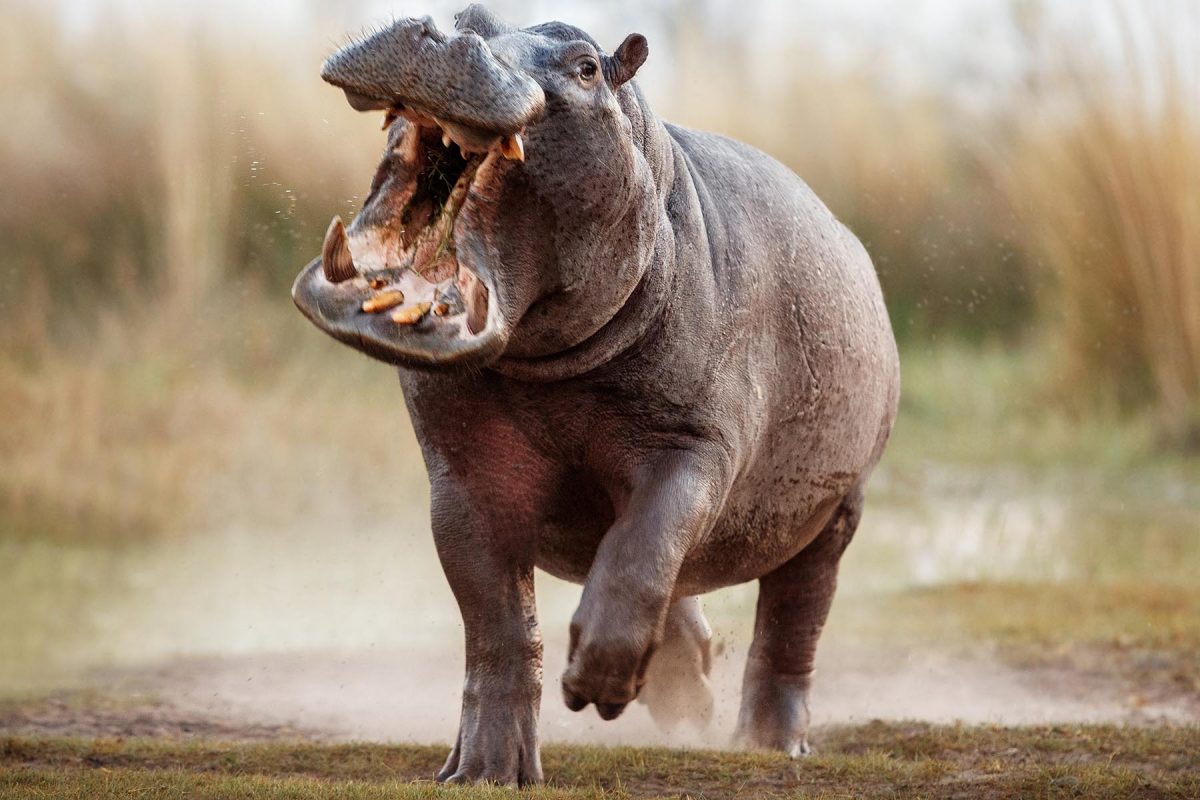
River safari guide Paul Templer, 27, was leading a canoeing trip down the Zambezi River in his native Zimbabwe when the hippopotamus struck. The two-ton bull hippo hit a boat with two clients and an apprentice guide, lifting the boat half out of the water. The apprentice guide, Evans, was catapulted into the river.
Templer paddled towards the guide. Just as he was about to pull the guide out of the river to safety, the hippo erupted out of the water, swallowing Templer head-first. His head and torso were wedged inside the hippo’s throat. He couldn’t move.
Then the hippo spat him out. He emerged on the surface of the water and had a moment to take in a deep breath of fresh air—then the hippo struck again, this time swallowing Templer legs-first, up to his waist.
The hippo thrashed him about, then spat him out a second time. Then the hippo charged once again, clamping Templer sideways in its massive, powerful jaws with long, pointed tusks and sharp incisors.
The hippo began thrashing Templer violently back and forth. The hippo would dive three meters down to the bottom of the river. When the hippo rose to the surface, Templer would take in a lungful of air, as the hippopotamus shook him like a dog with a doll.
The hippo released him, and an apprentice guide dragged him to safety. Templer’s lung was punctured, his left arm was crushed, his left foot was severely damaged, and he had nearly 40 puncture wounds and bite marks. In the hospital, surgeons managed to save his legs and right arm, but his left arm was amputated.
The body of Evans, the apprentice guide who was tossed in the water, was recovered from the river days later, his death believed to be from drowning.
Health, Safety and Security in Hippo Territory
How can one manage risks when expeditioning in hippo territory?
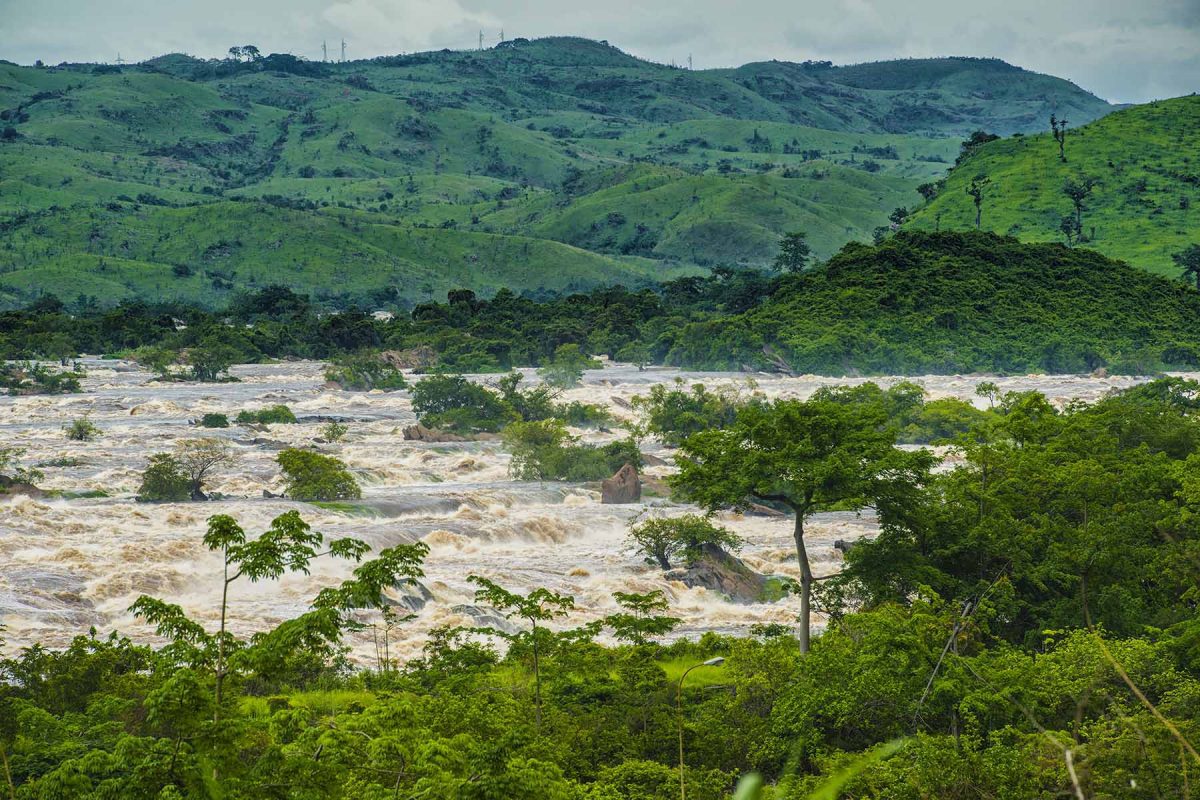
This is a question Viristar addressed recently as it wrote and delivered an Expedition Safety Plan for a client planning a 4,700-kilometer kayaking expedition along the length of the Congo River, home to hippos, crocodiles and venomous snakes, among other hazards.
The ambitious expedition seeks to descend the entire Congo River, as it winds from its source in Zambia through the Democratic Republic of the Congo (DRC), traveling along the borders of the Republic of the Congo and Angola, and ending, several months later, at the mouth of the river as it empties into the Atlantic Ocean.
But in the African waters where hippos live, hippopotamuses are only one of the hazards faced by adventure travelers. The Congo River, as it winds through the lush tropical landscapes of the Democratic Republic of the Congo, brings with it an array of very serious risks. Traveling the length of the Congo River by kayak is a dangerous journey, and in fact hippos are one of the lesser perils.
Security risks, including from violent armed groups, are an extreme risk, particularly in eastern DRC.
OSAC (formerly the Overseas Security Advisory Council), of which Viristar is a member, in their Country Security Report for the Democratic Republic of the Congo, has warned about risks of crime, banditry, civil unrest, assault, terrorism, armed conflict, and kidnapping. Attacks by armed groups are common, OSAC notes, and armed groups frequently act with impunity. Security forces regularly seek bribes and use pretext stops to extort or demand money. Arbitrary detention by security forces is routine, and the judiciary is corrupt, OSAC warns.
ISIS-DRC Province, also known as the Allied Democratic Forces, or Madina at Tauheed Wau Mujahedeen, is active in eastern DRC, and has been designated a terrorist organization by the DRC and U.S. governments. M23 is also a designated terrorist group, and its militant activities have displaced some 1 million Congolese.
In addition to addressing the security risks posed by bandits, armed rebels and terrorists, the Expedition Safety Plan that Viristar developed also covered disease prevention for a number of diseases found in the DRC, including: chikungunya, cholera, Crimean-Congo hemorrhagic fever, dengue, Ebola (recently prominent due to a current outbreak), hantavirus, hepatitis A & B, human African trypanosomiasis (HAT, sleeping sickness), influenza, leishmaniasis, leptospirosis, malaria, Marburg virus disease, measles, melioidosis, meningococcal disease, mpox, plague (bubonic, pneumonic, and septicemic), polio, rabies, rickettsial diseases, schistosomiasis (bilharzia), tetanus, tuberculosis, typhoid, yellow fever and Zika.
Travel in hippopotamus territory often brings with it other risks, and in the Expedition Safety Plan Viristar addressed risk associated with whitewater safety; crocodiles; snakes; flooding; photographing sensitive locations; checkpoints, roadblocks and other road travel security issues; crimes of opportunity and petty crime; illegal items; security, medical and evacuation assistance; medical care limitations; first aid training; first aid kit contents; soil-transmitted parasites; immunization; food safety; drinking water safety; heat illness; air quality; theft or confiscation of supplies, and other health, safety and security concerns.
Hippo Natural History
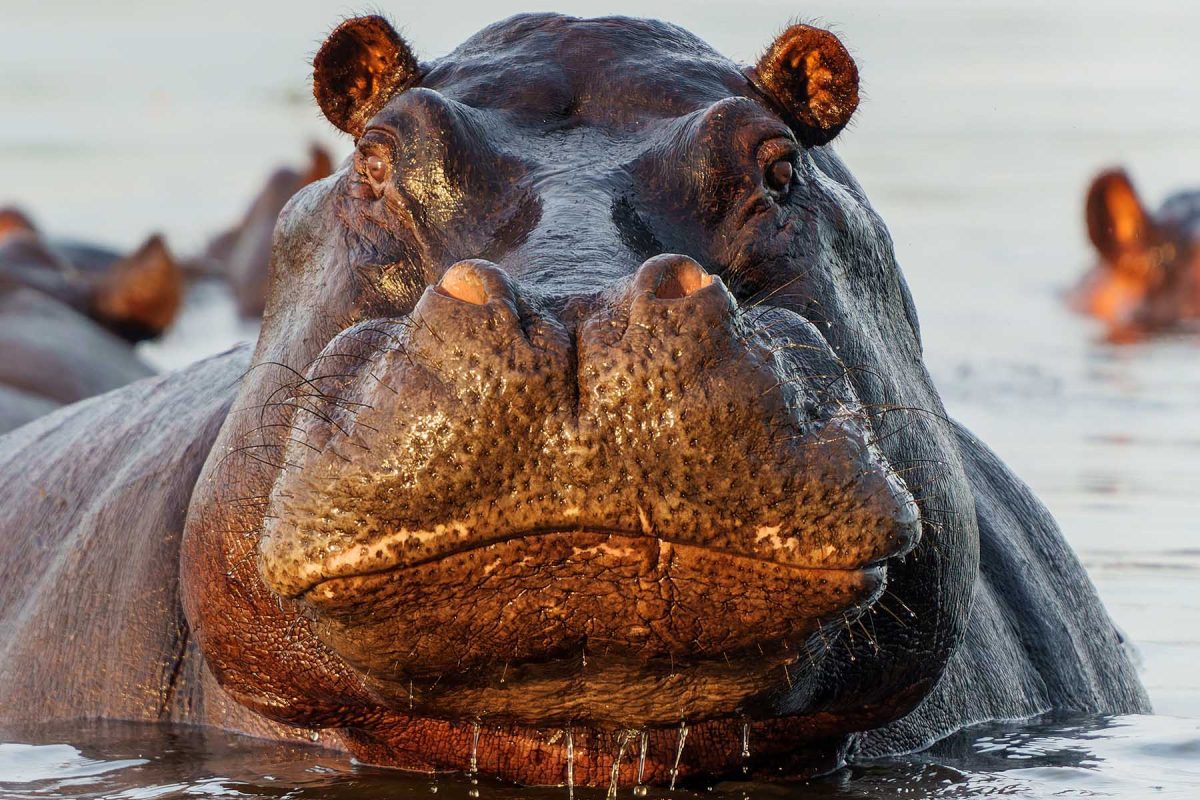
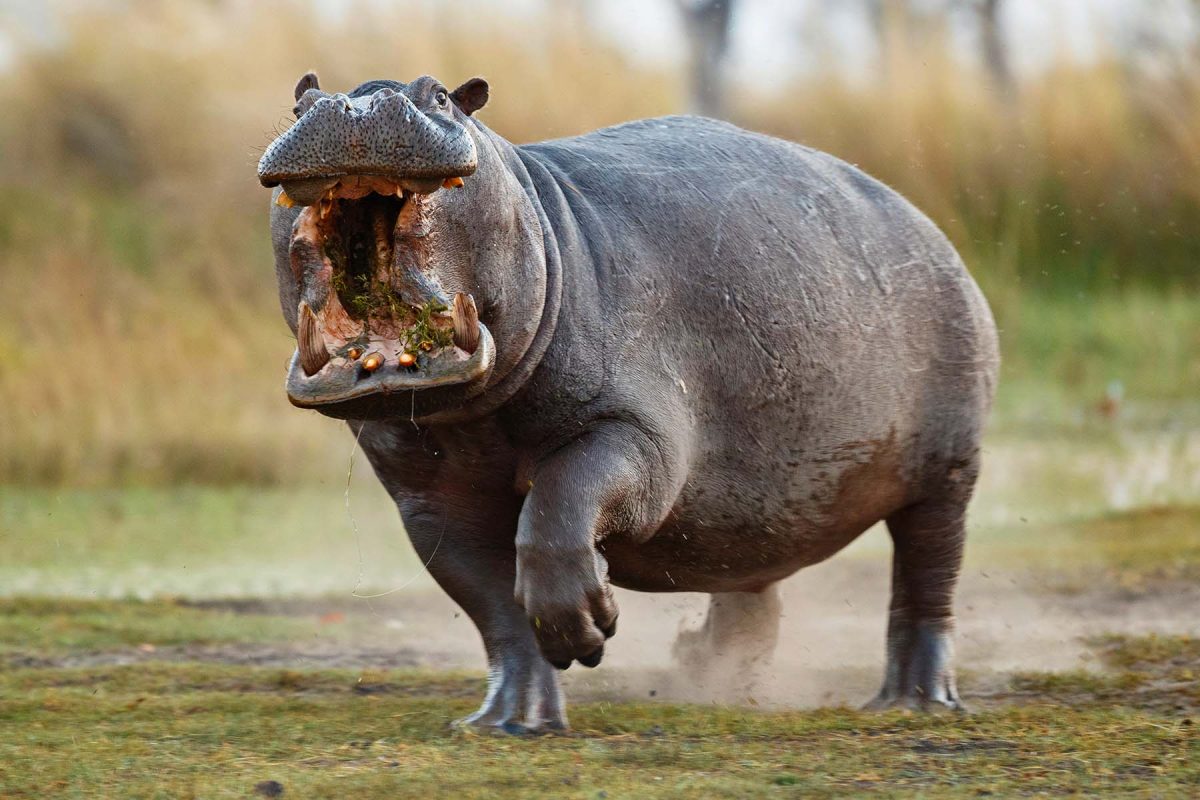
Hippos can be aggressive, territorial, unpredictable and dangerous. Yet, these giant herbivores—which grow up to 3,200 kg (7,000 lbs), can run up to 30 kph (19 mph), and have sharp incisors up to 50 cm (20 inches) long—have no interest in aggressive encounters with people.
When humans stay away from hippos, and do not startle them or otherwise appear to pose a threat, hippos leave people alone.
Hippos, which are listed as vulnerable in the IUCN Red List of Threatened Species, due to poaching, habitat destruction and other threats, live in groups, where they form strong social bonds with other hippos. Hippopotamuses have an important role in the African wetland ecosystems in which they live; they transfer nutrients and help keep wetlands healthy by controlling vegetation overgrowth.
When travelers enter into hippo habitat, we are visitors in their home. Some basic steps to avoid being perceived as a threat to hippos can reduce risks of travel in areas where hippos are found.
Safety Measures for Traveling in Hippo Habitat
It is not feasible to completely eliminate serious risks from hippopotamus encounters, including potentially fatal incidents, while expeditioning in small boats through the African wetlands which are their home.
Safety measures to reduce the risk of adverse hippopotamus encounters when paddling or otherwise traveling in hippo territory include:
- Stay away from hippos to the greatest extent reasonably practicable.
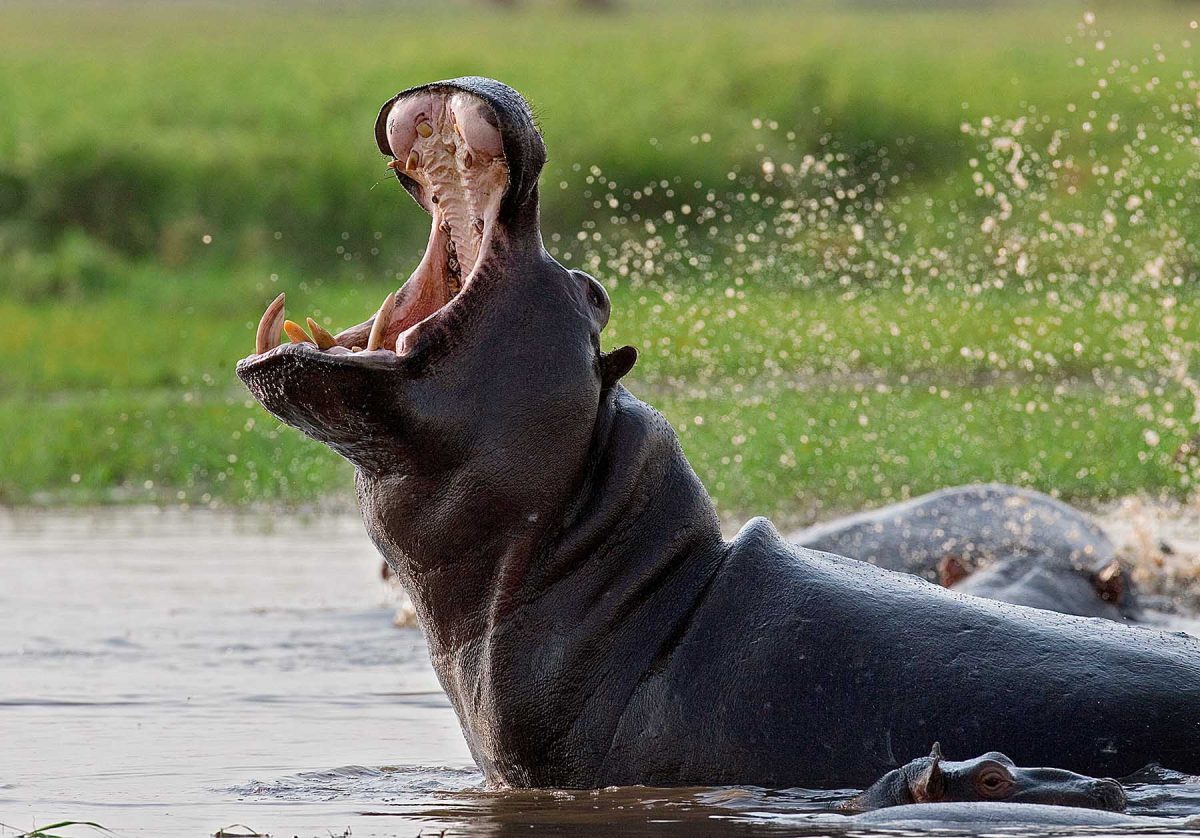
- Recognize ‘yawning’ (widely opening the mouth) as a sign a hippo may feel threatened. Attempt to move away from yawning hippos.
- Recognize the head of a hippo being thrown back, shaking, grunting, or snorting as a hippo warning, and increase efforts to move away.
- If charged on land, do not attempt to out-run a hippo. Instead, seek cover, for example by climbing a tree or by moving to the side of a tree, boulder or termite mound that is opposite from the hippo.
- When boating in hippo territory, bang on the boat or slap the water hard with a paddle to create vibrations that may dissuade hippos from approaching and capsizing the boat.
- At dawn, dusk, and night, when hippos may be actively feeding, remain in open areas with good visibility, to avoid startling hippos in the dark. Avoid walking in hippo habitat such as along riverbanks or on hippo trails.
- When practicable, give hippos access to deep water in which they can submerge themselves, to reduce the likelihood of being perceived as a threat. Avoid being in shallow water when in hippo territory.
- Increase safety measures when in hippo habitat late in the dry season, or any time when food sources are limited and water levels are low. These situations can lead to increased aggression and territorial fights between hippos, resulting in less-dominant hippos being forced from river habitats.
- Avoiding thickets and limited visibility areas, particularly during the day, where an unexpected close encounter with a startled hippo is more likely to occur.
- Avoid approaching hippos from behind.
- Do not be between a hippo and the water.
- Do not be between a female hippo and her young.
- When on the water, stay alert for signs of an approaching hippo, such as a bow wave. If a hippo is approaching, attempt to move to safety and/or bang on the boat or slap the water surface with a paddle to deter the hippo.
- If you are knocked into the water, move away from the boat, as hippos may target large shapes in their territory.
- If attacked by a hippo, fight back. Do everything possible to defend yourself, for example poking at the eyes or any area that might result in unexpected pain.
- If attacked by a hippo, take any opportunity to escape.
- If dragged underwater, attempt to remain calm, and breathe when at the surface.
- Avoid walking on well-worn hippo paths.
- If charged by a hippo on land near a body of water, run parallel to the water body, rather than away from the body of water.
- If in a vehicle, do not closely approach a hippo; stay in the vehicle.
- Make noise in areas known for hippos, to reduce the likelihood of surprise encounters where hippos may feel threatened and attack.
- When practicable, travel on the water in a larger vessel, which is harder to capsize.
- When traveling in hippo habitat, give preference to traveling during the day, when hippos may be less active.
- Do not attempt to feed hippos.
Conclusion
The risks of traveling in hippo habitat, particularly in small boats, are serious, but they can be mitigated through good hippopotamus risk management measures.
Viristar has provided outdoor and adventure safety guidance to organizations and professionals across Africa, including in Angola, Botswana, Cape Verde, Ethiopia, Kenya, Lesotho, Malawi, Namibia, Nigeria, Sierra Leone, South Africa, Tanzania, Uganda, Zambia, and Zimbabwe. The Democratic Republic of the Congo, however—a country with extraordinary natural landscapes and biodiversity, but an absence of essential health, safety and security characteristics—has a risk profile unlike that of many other nations. In the DRC, hippo safety must be taken seriously, but in the eastern provinces known for armed groups and violent crime, hippos are not the greatest risk for adventure travelers.
The March 9, 1996 incident that injured Zimbabwean Paul Templer and led to the death of his colleague Evans vividly illustrates the inherent risk of adventure activities in hippopotamus habitat.
Yet two years after the incident, Paul returned to the Zambezi River and—taking care to steer clear of hippos, and with a specially designed kayak paddle he could operate with just one arm—successfully completed a record-setting three-month, 2,575 km descent of the river.
Paul’s resilience, tenacity, and commitment to pursuing adventure experiences is a reminder of the value of adventure experiences, and how with good safety measures in place, many risks can be successfully managed during adventurous activities.